
Production Preparation
Thank you for supporting your scholar’s participation in our upcoming production. Learn more about how we are gearing up for a magical performance, and where your support is most needed!

Dance
Students establish a firm foundation in dance through training in multiple styles including Ballet, Modern, Hip Hop, and Jazz.

Theatre
RSPA Theatre, includes standard performances and musical theatre. Our program develops thespians who seek to master the combination of real or imagined events in front of an audience.

Piano
An extremely popular instrument in Western classical music since the late 18th century, the piano when combined with the proper student creates some of the most beautiful piece in the world. RSPA pianists begin with one note with the intention to grow and join our District Champion team.

Percussion
Life is filled with rhythms. Beats providing a cadence and undertone that mimics the highs and lows. Our percussion classes offer students in depth study into the various instruments that make up the percussion family. RSPA percussion students can also audition to join our drum line which routinely travels as invited performance guests.

Visual Art
Art expresses itself through acrylic, paint, clay, pencils, and brushes. RSPA students develop as artists while taking their masterpieces from the classroom to gallery.

Choir
From Do, Re, Mi to Vibrato, and all the notes in between. Vocalist develop as individual singers and mass choir members. Lessons include vocal blending, music reading, and performance.
Parent Letters
Let’s take a moment to highlight some of the countless benefits of putting on a show with students.
Having a regular creative outlet is not just part of a well-rounded education – it is essential for a child’s emotional health and well-being. Producing a show brings the arts together and provides growth opportunities for all varieties of learners. For example, kinesthetic learners engage their bodies through dance, linguistic learners dive into the written and spoken word, spatial learners tackle set and costume design, and musical learners revel in the show’s score.
Besides being incredibly fun, musical theater helps young people develop many of the skills necessary for success in today’s world:
- Self-Confidence: Throughout the rehearsal and performance process, young performers discover how to take creative and emotional risks and learn to trust their abilities.
- Literacy: Students increase reading and writing skills at their own pace by immersing themselves in the story, reading and re-reading their scripts, memorizing their lines, and taking notes at rehearsal.
- Communication: During rehearsals, students learn how to articulate their thoughts and questions and carefully listen to direction in order to improve their performances.
- Imagination: Theater is most dynamic when the imaginations of its participants are fully engaged. Students make countless interpretive choices in design and performance to create a detailed, fictional world for their audiences.
- Empathy: Through character work and story creation, young performers explore the lives of others. First-hand perspectives of new circumstances challenge prejudices and aid in the development of well-rounded students and citizens.
- Critical Thinking and Problem Solving: The amount of work required to successfully put on a show makes all participants valuable troubleshooters. Whether inventing mnemonics to remember lines, adjusting staging to show off everyone’s faces, or mastering a tricky scene change, students have countless opportunities to creatively tackle challenges.
Board Meeting Agendas & Minutes
2021-2022
September 2021 Agenda | September 2021 Minutes
August 2021 Agenda | August 2021 Minutes
2020-2021
June 2021 Agenda | June 2021 Minutes
April 2021 Agenda | April 2021 Minutes
March 2021 Agenda | March 2021 Minutes
January 2021 Agenda | January 2021 Minutes
December 2020 Agenda | December 2020 Minutes
November 2020 Agenda | November 2020 Minutes
October 2020 Agenda | October 2020 Minutes
Humble Campus
Northshore Campus
- Self-Discipline: Through prompt attendance at rehearsals and learning lines, music and choreography on schedule, students acquire valuable self-discipline techniques and become reliable and trustworthy members of an ensemble.
- Community Awareness: A theatrical production provides ample opportunities to connect with our families and neighbors. Students can engage parents, community centers, and local vendors to help create sets, props, costumes and publicity.
-
Public Speaking: Whether performing for their peers during rehearsal or for their school and local community during a performance, students gain expertise and confidence speaking in front of a group.
- Curricular Integration: A musical provides a rich and engaging springboard for students to explore many subjects in their classrooms and discover connections among various modes of learning. Our ShowKit® came with show-related lesson plans for English language arts, social studies, science, and visual art – all of which fulfill the Common Core State Standards.
- Teamwork: Theater requires extensive creative input from all its participants. Students build ensemble by working together to rehearse, construct, promote, and perform their show. Every role – whether onstage or behind the scenes – is vital for the show’s success.
Fine Arts Department
Administration Building – Room 32
13334 Wallisville Road
Houston, TX 77049
281-458-4334

Bradford Deyon, Fine Arts Coordinator

Monique Soungie, Visual Arts

Courtney Sherman-Allen, Dance

Rita Hughes, Theatre Arts
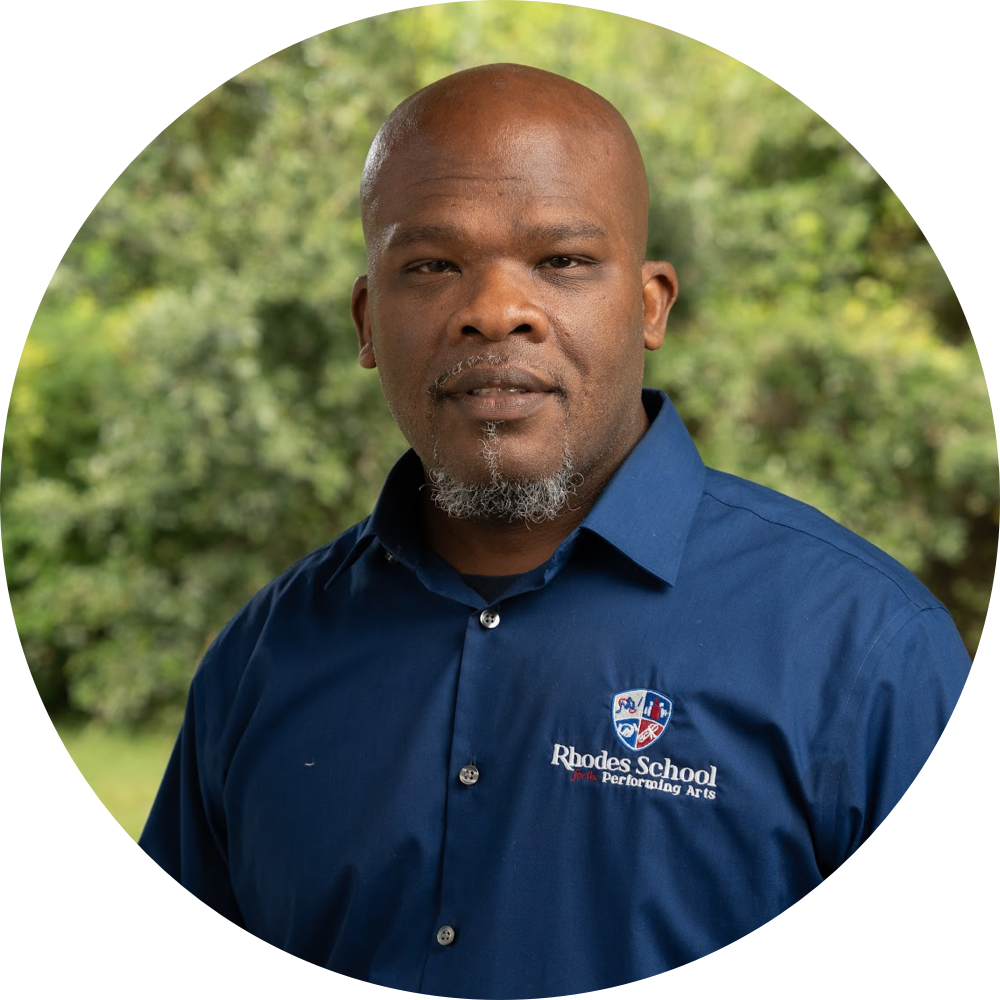
Phillip Spiller, Percussion

Christopher Kinsey, Choir
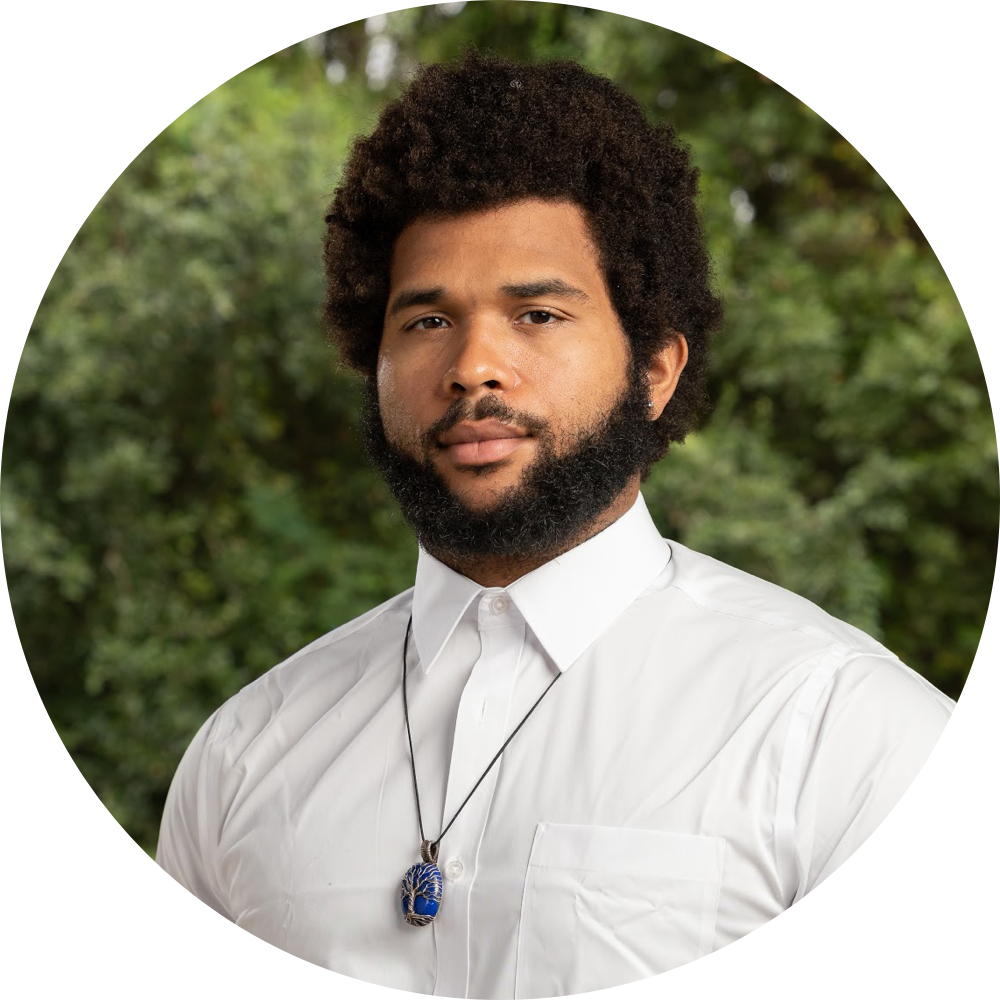
Brandon Willis, Piano

MEET RSPA
Linda Sherrard, M. Ed, President
Brittany Hill, Member
Michelle Harris, Member
Chrishelle Palay, Member
Charles Russell, Member
FOLLOW US